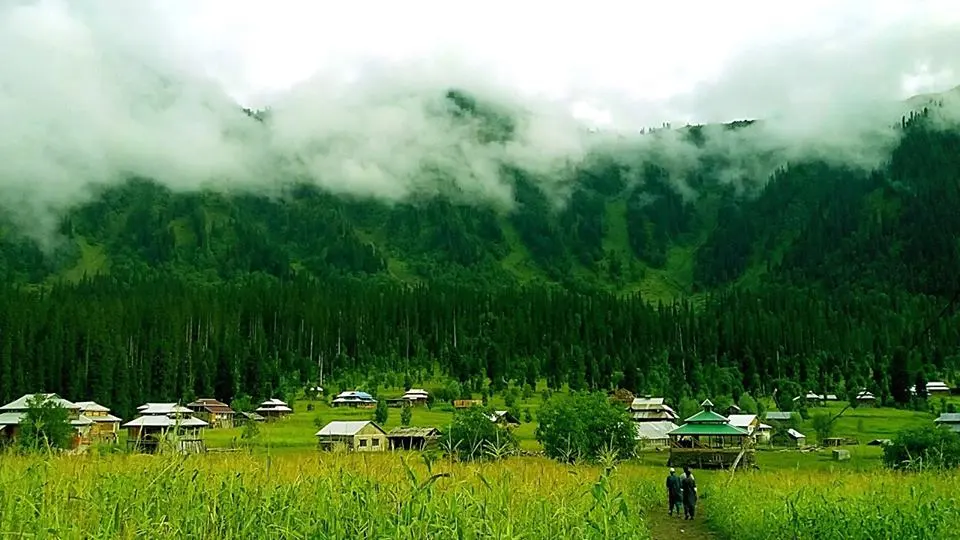
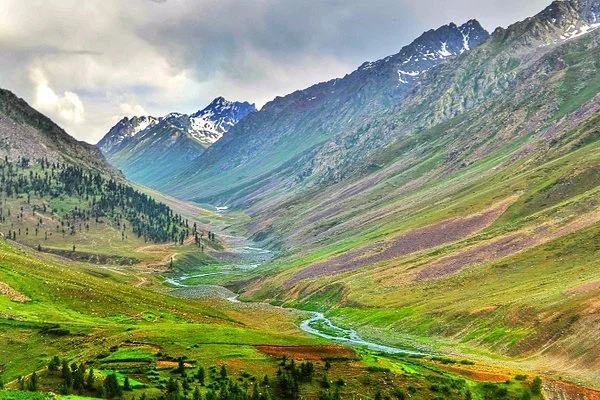
I still remember the first time I drove through Hunza Valley in April. The road was barely wide enough for the jeep, the Karakoram Highway was winding through cliffs I’d only seen in paintings, and then — out of nowhere — the whole valley just opened up. Pink and white blossoms everywhere. Snow-capped peaks behind them. The air smelling like something between pine and rain and freedom.
That’s Gilgit Baltistan in spring. And if you haven’t experienced it yet, honestly, you’re missing one of the most beautiful things Pakistan has to offer.
Every year, as soon as March rolls around, the entire region wakes up from its icy winter sleep. The apricot trees bloom first, then the cherry trees follow. The glacial rivers get loud again. The mountain roads open up one by one. And travellers — from Karachi, Lahore, Islamabad, and beyond — start making plans to head north.
So if you’re planning a spring trip to GB this year and you’re not sure where to start, let this guide save you some time. Here are the top 10 places to visit in Gilgit Baltistan in spring — each one worth every hour of travel it takes to get there.
1. Hunza Valley — Spring’s Most Famous Show-Stopper
Best time: Late March to mid-April
Let’s be honest — Hunza doesn’t need much of an introduction. It’s the place everyone talks about, the wallpaper on everyone’s phone after they come back, and the destination that single-handedly makes people fall in love with Pakistan’s north.
But here’s the thing: even if you’ve seen a hundred photos of Hunza, nothing quite prepares you for seeing it in person during blossom season. The entire valley — from Karimabad down through the surrounding villages — turns into a sea of white and pale pink. And behind all of it, Rakaposhi stands like it’s been there forever, capped in snow, completely indifferent to how many people are photographing it.
What to do in Hunza in spring:
- Spend a morning at Eagle’s Nest viewpoint — the sunrise here is worth losing sleep over
- Walk through Altit and Baltit Forts — both are beautifully preserved and tell stories that go back 700 years
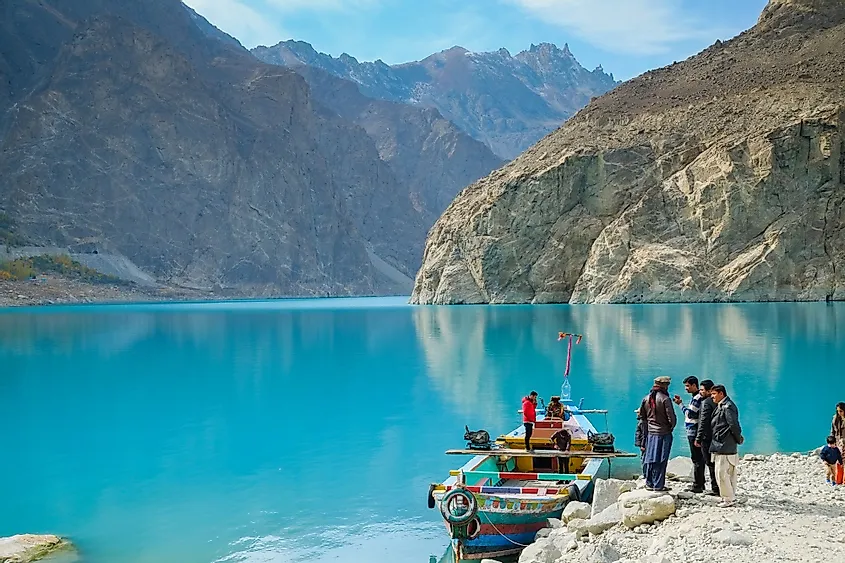
- Take a slow drive to Attabad Lake and just sit there for a while — the turquoise water against the mountains doesn’t look real
- Wander around Karimabad Bazaar and try the local dried apricots, mulberry juice, and walnut cake
- If you’re visiting in April, check whether the Hunza Blossom Festival is running — it’s a beautiful celebration of spring with music, food, and local culture
Honest travel tip: Hunza fills up fast in blossom season. If you’re planning to visit in late March or early April, book your hotel or guesthouse at least three to four weeks ahead. Some places sell out entirely.
2. Beautiful Skardu — Where Every View Feels Like a Painting
Best time: April to May
If Hunza is the poster child of GB tourism, then Skardu is its quieter, more mysterious sibling — and in many ways, even more stunning. Sitting at around 2,200 metres above sea level, Skardu is the base camp for the world’s highest peaks, including K2. But you don’t have to be a mountaineer to fall completely in love with this place.
In spring, Skardu slowly shakes off winter. The Indus River running through the valley fills up and turns that brilliant shade of grey-blue. The trees around the town bloom. And the surrounding mountains — still heavily snowcapped in April — feel impossibly close.
What to do in beautiful Skardu in spring:
- Visit Shangrila Resort (Lower Kachura Lake) — locals call it “Heaven on Earth” and honestly, it’s not far off. The lake reflects the mountains perfectly in the still morning hours
- Climb up to Kharpocho Fort — it sits dramatically on a rocky hill above the town and gives you a 360-degree view of the entire Skardu Valley
- Take the short drive to Satpara Lake — it’s calm, deep blue, and far less crowded than some of the more famous lakes
- Head to Upper Kachura Lake via a short trek through pine trees — this one feels like a secret spot
- By May, Deosai National Park starts becoming accessible — if you can time it right, go. It’s one of the highest plateaus in the world and home to Himalayan brown bears
Honest travel tip: Flying to Skardu is the easiest option, but flights are weather-dependent and cancel often. Always have a backup plan if you’re on a tight schedule — the road from Gilgit takes about 5 to 6 hours but it’s a genuinely beautiful drive.
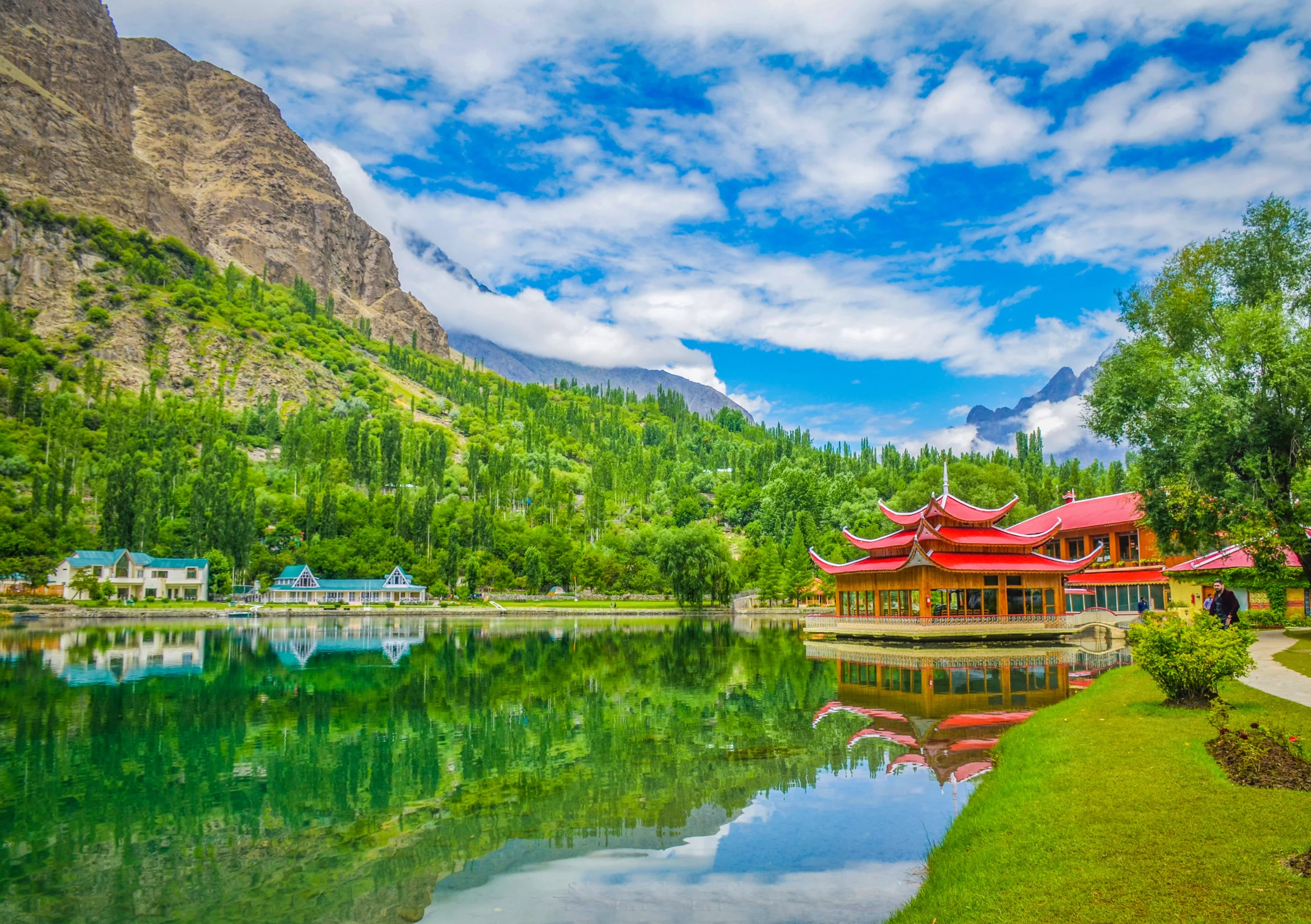
3. Shigar Valley — Blossoms, Ancient Forts, and Absolute Peace
Best time: April to May
About 30 kilometres from Skardu, tucked away along the Shigar River, lies a valley that feels like it belongs to a different century. Shigar is quieter than Hunza and less famous than Skardu, which is exactly why it’s so special.
In spring, the orchards in Shigar bloom in waves — first the almonds, then the apricots, then the cherry trees. The valley floor turns green slowly, the river runs cold and clear, and the old stone villages along the road look like they’ve barely changed in 500 years.
The crown jewel here is the Shigar Fort Palace — a 400-year-old royal fort that’s been carefully restored by the Aga Khan Cultural Service and now operates as a heritage hotel. Whether you stay here or just visit for a tour, it’s one of the most atmospheric places in all of GB.
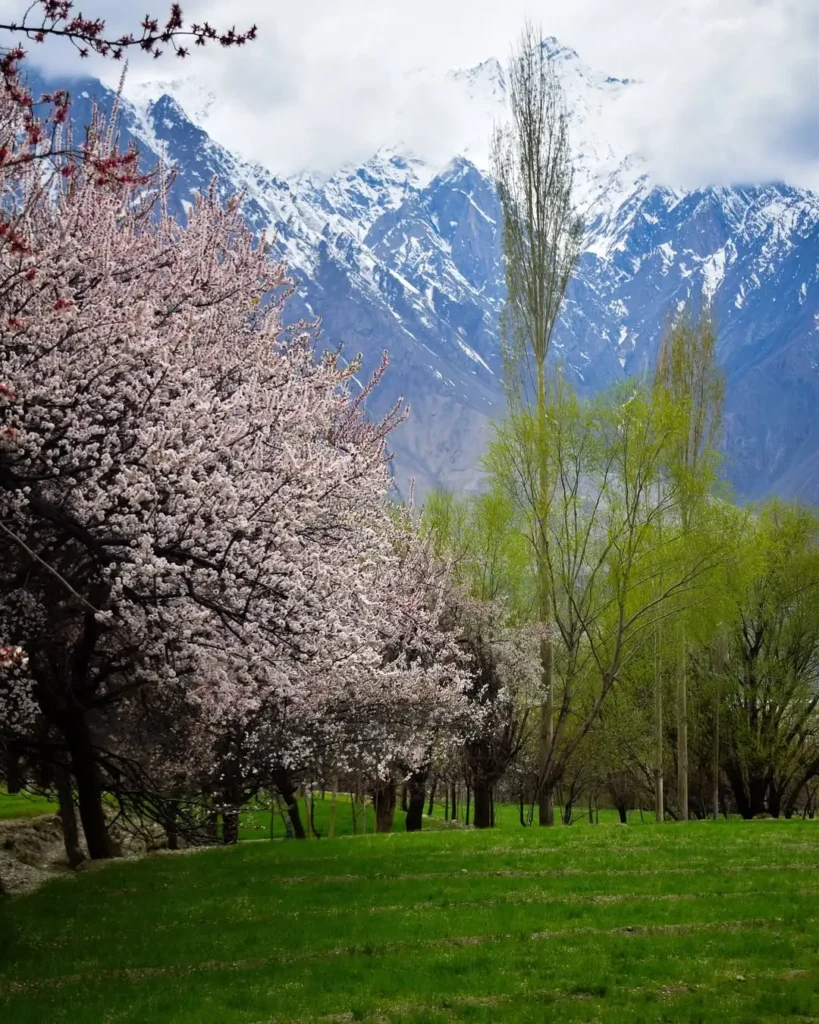
What to do in Shigar in spring:
- Tour (or stay at) Shigar Fort Palace — the architecture, the gardens, and the sheer history of the place are worth the trip on their own
- Walk along the Shigar River through blooming orchards — it’s simple, it’s quiet, and it’s the kind of walk you remember for years
- Visit the Chaqchan Mosque — one of the oldest mosques in Pakistan, with stunning 14th-century wooden architecture
- In May, the surrounding hills become accessible for day hikes with views straight up toward the glaciers
Honest travel tip: If you want to stay at Shigar Fort Palace, book months in advance — not weeks. It’s one of the most popular heritage stays in the entire country and rooms go fast.
4. Astore Valley — For Those Who Want Nature Without the Crowds
Best time: April to May
Not everyone who travels to Gilgit Baltistan wants Instagram-famous spots and packed guesthouses. Some people just want to disappear into the mountains for a few days. If that sounds like you, Astore Valley is calling your name.
Astore sits south of Gilgit, wrapped around the flanks of Nanga Parbat — the 8,126-metre giant known as the “Killer Mountain.” In spring, the valley gradually thaws, wildflowers push through the soil, and the meadows above the main valley — particularly the famous Rama Meadows — become accessible again.
The views of Nanga Parbat’s Rupal Face from Rama are so dramatic that seasoned trekkers often describe it as one of the most powerful mountain views they’ve ever witnessed. And in spring, with a dusting of fresh snow still on the upper slopes and the meadow beginning to green up below, it’s absolutely breathtaking.
What to do in Astore in spring:
- Drive up to Rama Lake and Meadows — this is a must. The meadow, the lake, and the face of Nanga Parbat together make for a scene that genuinely doesn’t seem real
- Visit Raikot Bridge — this is the starting point for the journey to Fairy Meadows, and the view from the bridge itself is worth stopping for
- Try trout fishing in the Astore River — one of the best fishing spots in the whole of Pakistan
- Explore Astore Bazaar for an authentic taste of Shina culture that hasn’t been shaped by tourism
Honest travel tip: Mobile signal in Astore Valley is minimal to nonexistent in most areas. Download your maps offline before you leave Gilgit. And bring warm clothes — even May nights in Astore can be genuinely cold.
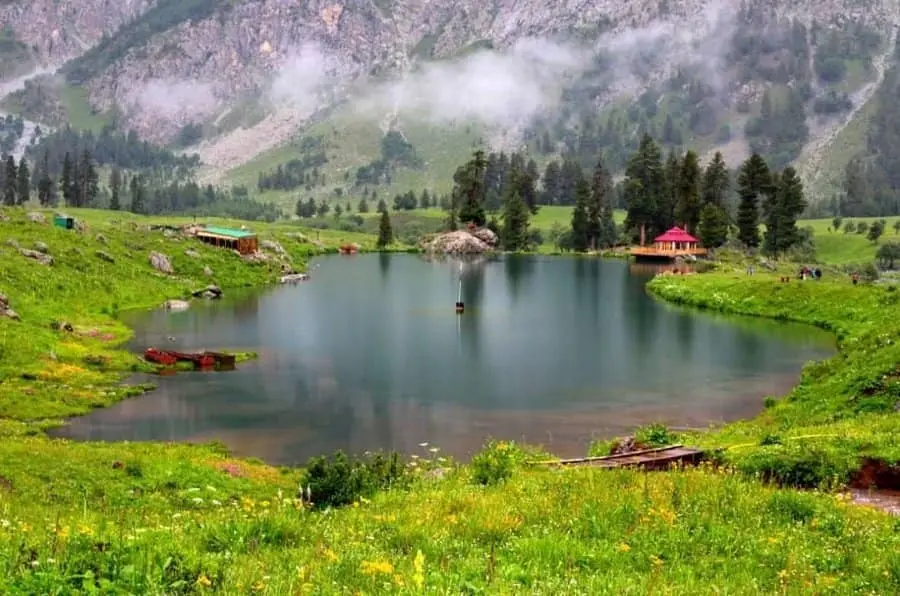
5. Fairy Meadows — The Place That Changes How You See the World
Best time: Late April to May
There are some places you visit and think “that was nice.” And then there are places that stay with you forever. Fairy Meadows is firmly in the second category.
Getting there is half the adventure. After crossing Raikot Bridge, you load into a modified jeep and hold on for dear life as it climbs one of the most terrifyingly narrow mountain tracks anywhere on Earth. Then you trek for about two hours through dense pine forests. And then the trees open up, and you’re standing in a wide green meadow, and Nanga Parbat is right there — filling up the entire sky in front of you.
In spring, the meadow is still coming back to life. There’s often snow on the edges. The wildflowers are just starting. Campfire smoke drifts across the grass in the evenings. And at sunrise, the north face of Nanga Parbat turns gold.
What to do at Fairy Meadows in spring:
- Wake up early and watch the sunrise on Nanga Parbat — set an alarm for 5 AM, it’s worth every minute
- Camp overnight — the sky here at night, with zero light pollution, is something else entirely
- In May, you can trek to Nanga Parbat Raikot Base Camp — a 2-day trek from Fairy Meadows for those who want to push further
- Even a short hike up toward Beyal Camp gives you dramatically wider views of the surrounding peaks
Honest travel tip: The jeep track to Fairy Meadows typically opens in late April, but conditions depend on how much snow that year’s winter left behind. If you’re planning an April visit, confirm the track is open before heading out.
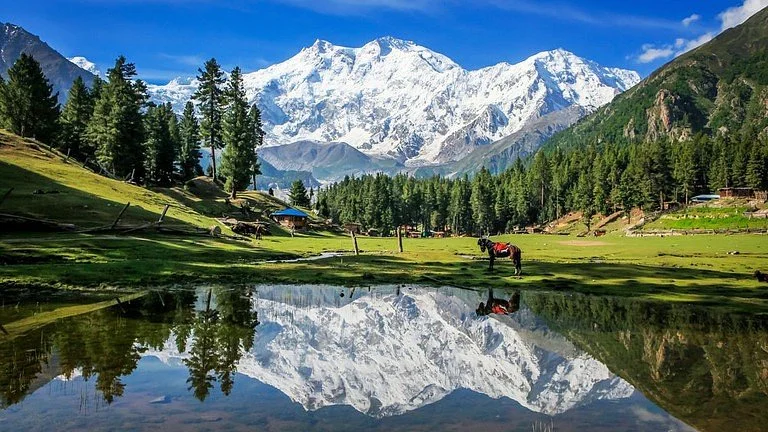
6. Naltar Valley — Where the Snow Meets the Blossoms
Best time: March to April
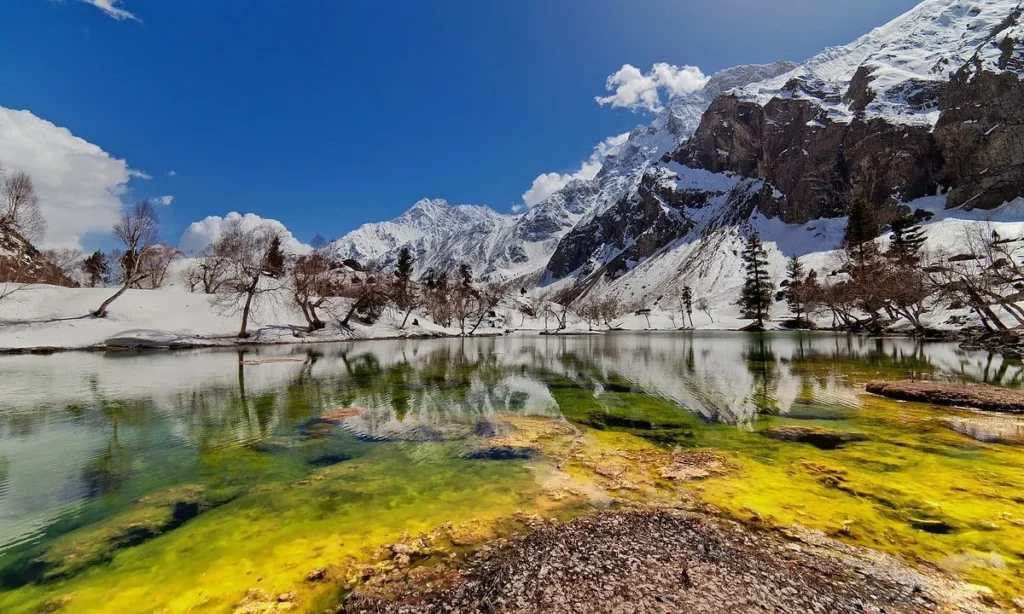
Naltar Valley sits at nearly 3,000 metres above sea level, which means it’s one of the last places in GB where you can still ski in March while the valleys below are already blooming. It’s a genuinely unusual combination — spring flowers lower down, ski slopes higher up — and it makes Naltar one of the most interesting spring destinations in the region.
The valley is also home to the famous Naltar Lakes (locally called Bashkiri Lakes) — three small, stunningly coloured high-altitude lakes that begin to thaw in April and are fully accessible by May. The forests of silver fir and pine that surround the valley are among the most beautiful in all of Pakistan.
What to do in Naltar in spring:
- Hike to the Naltar Lakes in April or May — the colours of these lakes (blue, green, and grey depending on the time of day) are unlike anything else in GB
- Try spring skiing at Naltar Ski Resort in March — the snow is softer and the crowds are lighter than in peak winter season
- Walk through the pine and fir forests — the trails here are peaceful and not heavily trafficked
Honest travel tip: Naltar is accessed via a rough jeep track from Gilgit — about 2 to 3 hours. A 4×4 is strongly recommended, especially in early spring when sections of the track may still be muddy from snowmelt.
7. Ghizer Valley — Pakistan’s Own Little Switzerland
Best time: April to May
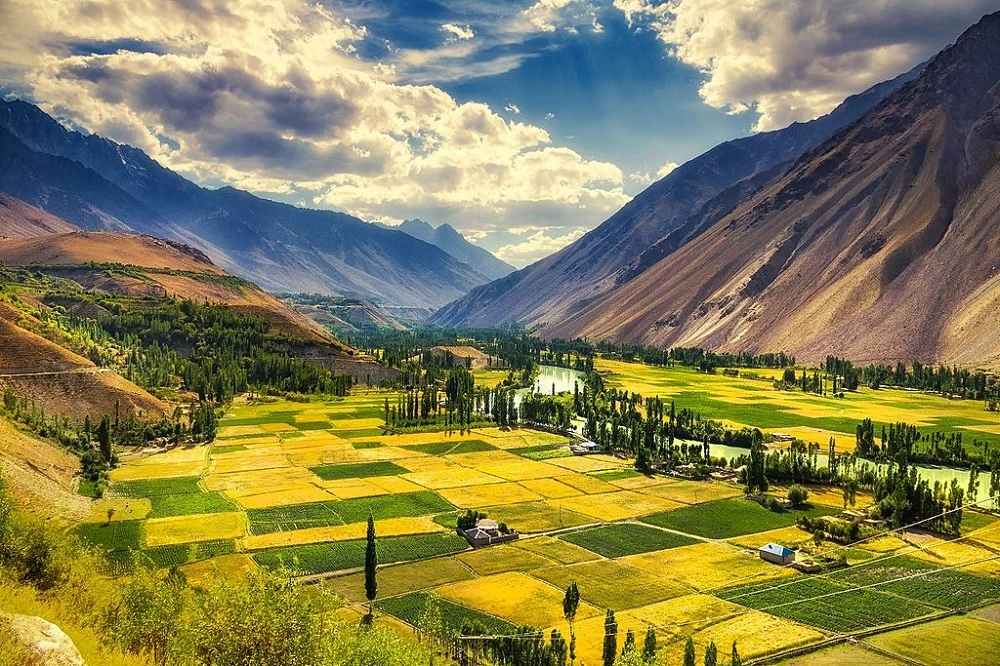
If you told most Pakistanis about Ghizer Valley, a good number of them would say “where?” And that’s exactly the point. Ghizer is one of Gilgit Baltistan’s most beautiful regions, stretching westward along the Ghizer River toward the Afghan border — and it sees a fraction of the tourists that Hunza or Skardu attract.
In spring, Ghizer is exceptional. The river runs full and fast, the trees along its banks burst into blossom, and the valley’s signature lakes — particularly Phander Lake — take on a deep turquoise colour that photographs almost look edited.
What to do in Ghizer in spring:
- Spend time at Phander Lake — it’s one of the most serene, photogenic lakes in all of Pakistan, and in spring it’s surrounded by blooming trees and fresh snow on the ridgelines above
- Visit Handrap Lake nearby — smaller and quieter than Phander, but equally beautiful
- Drive the road toward Shandur Pass — it won’t be fully open until June, but the drive through the spring landscape is worth doing as far as the road allows
- Camp at Teru Meadows along the Ghizer River — flat, wide, peaceful, and genuinely stunning
Honest travel tip: Ghizer is a long drive from Gilgit — plan for at least 4 to 5 hours. But the road itself passes through some of the most underrated scenery in the entire region, so the drive is part of the experience.
8. Khaplu — Ancient Palaces and Drama at the Edge of the World
Best time: April to May
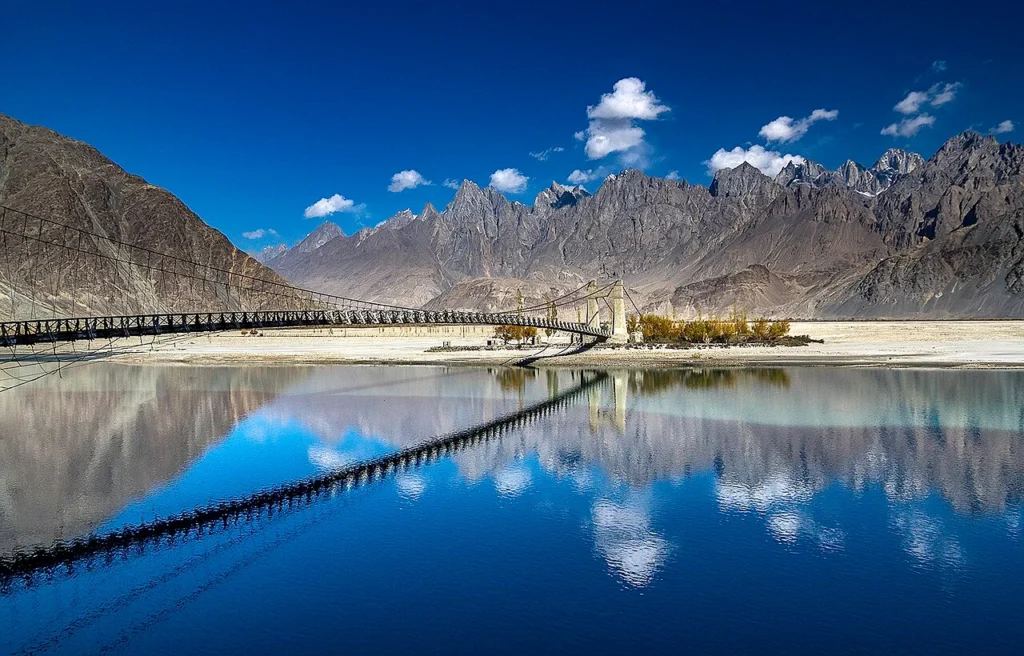
Khaplu sits in the Ghanche District near the Line of Control, and the landscape here has a completely different character from the rest of GB — drier, more rugged, and with a history shaped by ancient Balti kingdoms and the proximity to both India and China.
The Khaplu Palace (also known as Chaqchan Palace) is the main draw — a striking, centuries-old royal residence that’s been beautifully restored and now operates as a heritage hotel. In spring, the surrounding valley blooms around the palace’s stone walls, and the dramatic mountains behind it are still draped in snow.
What to do in Khaplu in spring:
- Stay at or tour Khaplu Palace — it’s one of the finest heritage properties in Pakistan and the restoration work is genuinely impressive
- Walk through Khaplu Bazaar — authentic, unhurried, and full of local character
- Drive to Machlu Valley nearby — spring blossoms and mountain reflections make this a wonderful half-day side trip
Honest travel tip: Khaplu is about 100 km from Skardu — a 3-hour drive on mountain roads. Most travellers combine it with a Skardu trip rather than visiting separately.
9. Nagar Valley — All the Beauty of Hunza, Half the Crowds
Best time: Late March to April
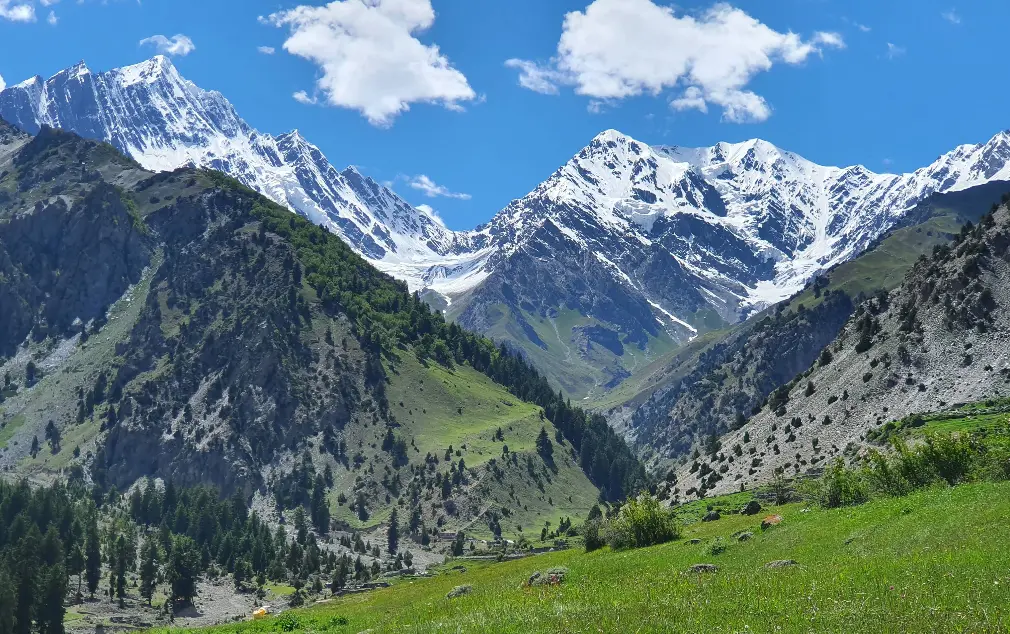
Right across the Hunza River from Karimabad, on the opposite bank, lies Nagar Valley — a destination that offers almost everything Hunza does during blossom season, with considerably fewer tourists and a quieter, more local feel.
Nagar was historically a separate princely state — and its people will remind you of that if you mix the two up! Today it’s one of GB’s most underrated spring destinations. The village of Hopar is famous for the Hopar Glacier, one of the most accessible glaciers in Pakistan, where you can walk right up to the icefall without any special equipment or permit.
What to do in Nagar in spring:
- Walk to the Hopar Glacier — it’s remarkable how close you can get, and the surrounding spring scenery makes the walk genuinely enjoyable
- Enjoy spring blossom views from the hillside villages — same mountains and same flowers as Hunza, but with a fraction of the foot traffic
- Look for gemstones and minerals in the local shops — Nagar is famous for tourmaline and aquamarine
Honest travel tip: Nagar is literally just across the river from Hunza — if you’re already in Karimabad, not visiting Nagar is a genuine missed opportunity. The bridge crossing takes minutes.
10. Gilgit City — The Gateway That’s Worth More Than One Night
Best time: March to May
Most travellers treat Gilgit City as a transit stop — somewhere to spend the night before heading to Hunza or Skardu. And honestly, that’s a bit of a shame, because Gilgit has its own quiet charm, especially in spring.
As the capital of GB, Gilgit sits at the meeting point of several major valleys and river systems, and in spring the surrounding hills green up, the bazaars fill with fresh seasonal produce, and the city takes on a kind of easy energy that’s infectious.
What to do in Gilgit in spring:
- Visit Kargah Buddha — a 7th-century Buddha figure carved directly into a cliff face about 10 km from town. It’s peaceful, ancient, and surprisingly moving
- Spend an afternoon in Gilgit Bazaar — buy dried fruits, local honey, hand-woven items, and some of the best walnuts you’ll ever taste
- Head to Naupur Meadows for a relaxed spring picnic with views of the surrounding peaks
- Use Gilgit as your base and do day trips in different directions — the valley roads fan out like spokes from here
Honest travel tip: If you’re flying into Gilgit and heading to Hunza or Skardu, give yourself at least one full day in the city itself. It sets the tone for the whole trip in a way that feels grounded and real.
Getting to Gilgit Baltistan — The Basics
By Air: PIA and Serene Air fly from Islamabad to both Gilgit and Skardu. Flights are scenic (you literally fly alongside Nanga Parbat) but often cancelled due to weather — always have a flexible backup plan.
By Road: The Karakoram Highway from Islamabad to Gilgit is one of the great road journeys in the world. It takes 14 to 16 hours, and most travellers take an overnight coach from Rawalpindi’s Pirwadhai Bus Stand.
Gilgit to Skardu: A 5 to 6-hour drive along the Indus Highway — long, but beautiful the whole way.
What to Pack for a Spring Trip to GB
Spring in Gilgit Baltistan can be warm during the day and genuinely freezing at night — especially at altitude. Pack layers you can add or remove, a waterproof jacket (spring showers happen), solid trekking shoes, sunscreen (the UV at elevation is no joke), and enough cash to last the trip. ATMs are unreliable outside of Gilgit and Skardu.